
Forwarder PlaybookLead story
Demurrage vs detention: what each charge covers and how to avoid both
Two charges, two clocks, and one free-time allowance that decides whether you pay either.
FreightScanner Editorial5 min read
Read the piece
What moved in ocean freight, why it moved, and what to do about it before your next booking. Rates and capacity, schedule reliability, port operations, carrier networks and the compliance small print.
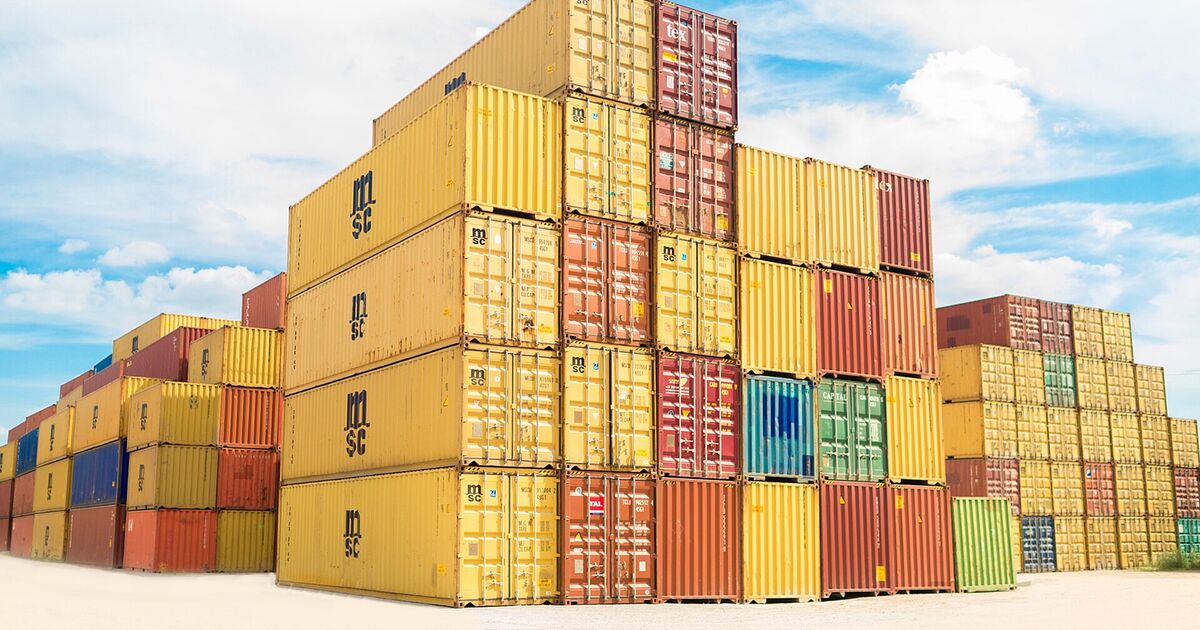
A full container costs a flat rate; a shared one costs by the cubic metre. Where the two lines cross, and what else changes when cargo is consolidated.
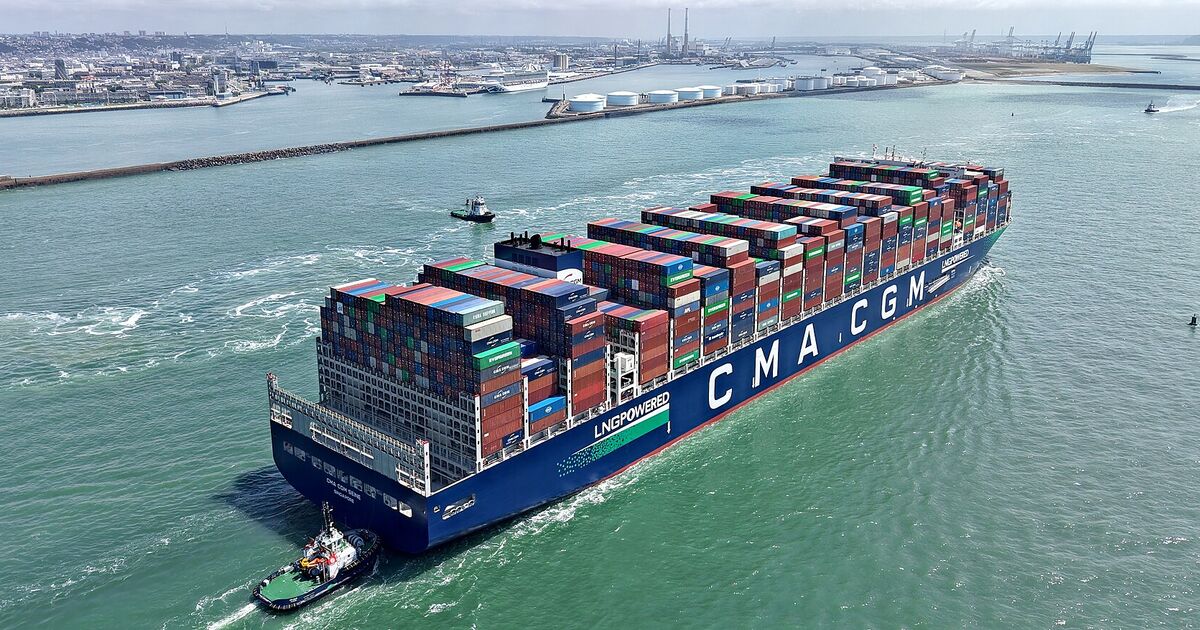
The eleven Incoterms 2020 rules decide who arranges carriage, who pays, and the exact point where risk moves from seller to buyer. A working guide for freight teams.
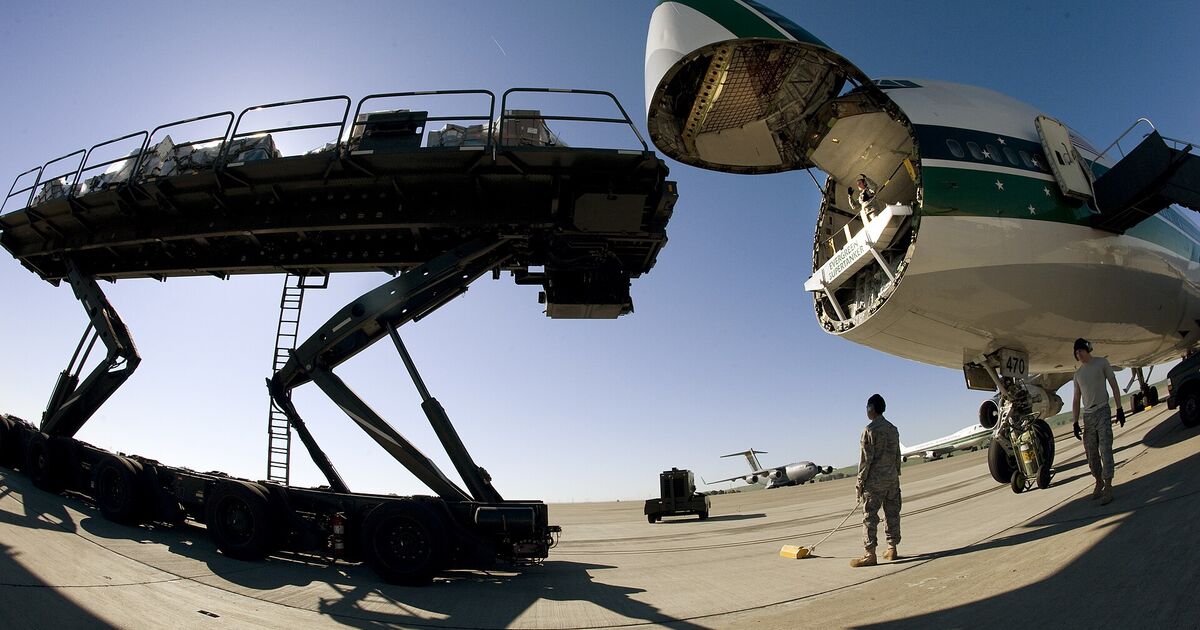
Air freight is billed on the greater of actual and volumetric weight. The formula, the 1:6000 divisor, worked examples, and how packing changes the bill.
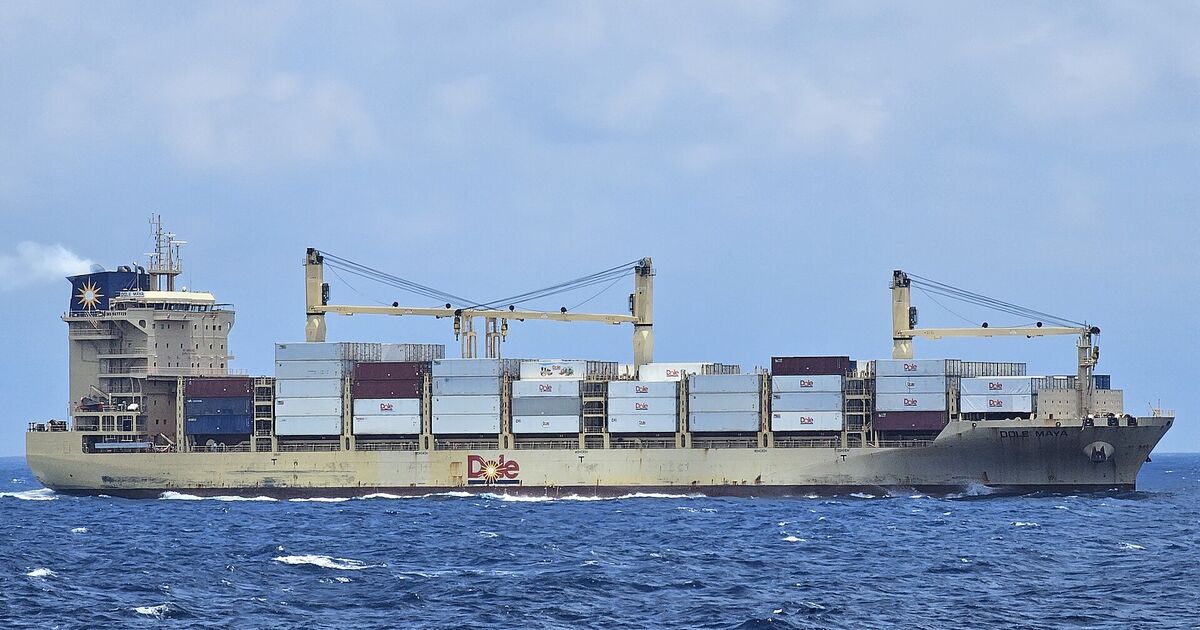
What a bill of lading does, how an original differs from a sea waybill and a telex release, and how to pick the form that will not hold up your container.
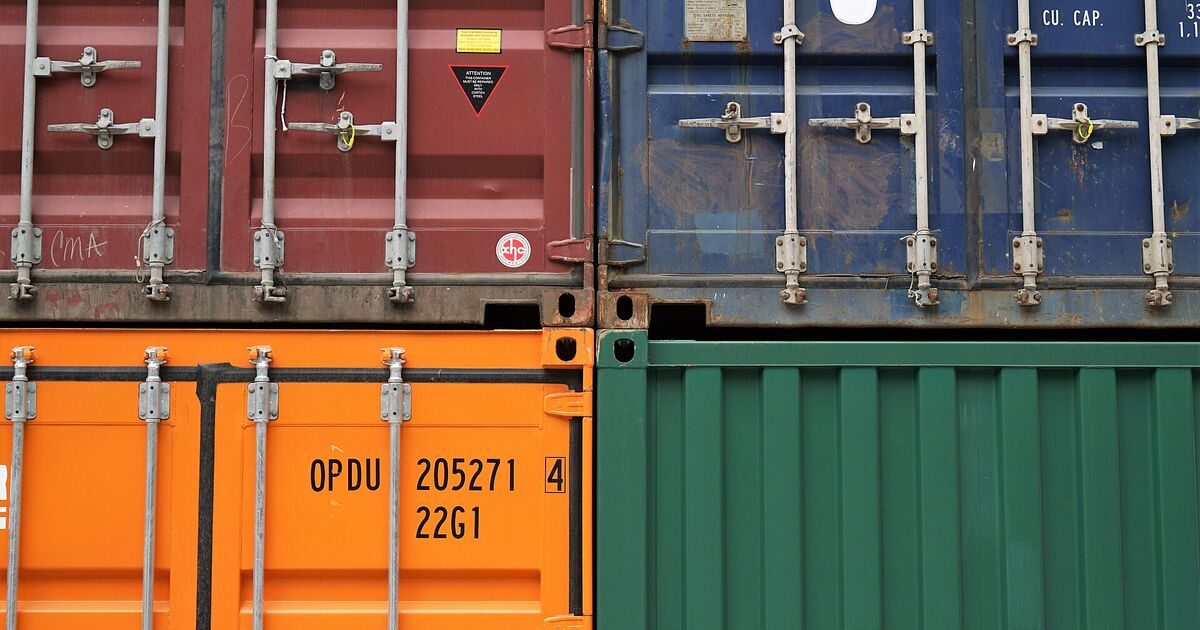
Internal dimensions, cubic capacity and pallet counts for the standard dry containers, plus the weight limits that decide how much you can really load.

An ocean freight quote is a base rate plus bunker, peak-season and other surcharges, plus local charges at each end. What every line means and how to compare quotes.
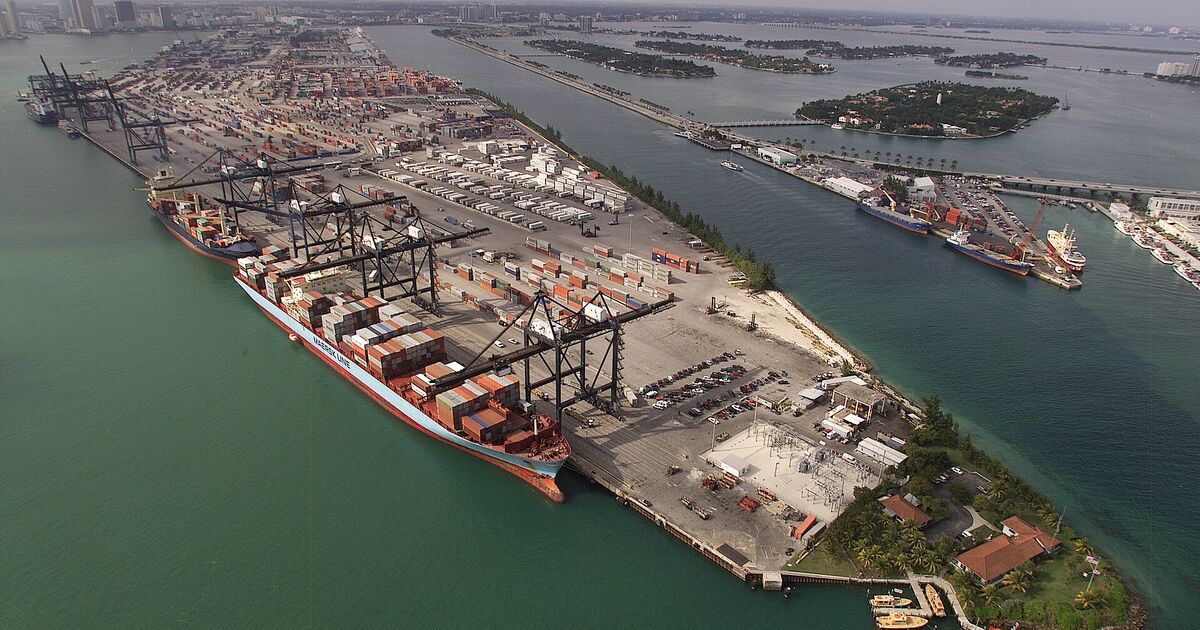
A blank sailing is a scheduled voyage the carrier cancels. Why lines blank sailings, what happens to booked cargo, and the planning habits that limit the damage.

A direct service keeps the container on one ship; a transshipment routing moves it between two or more at a hub. What each costs in time and risk, and how to choose.
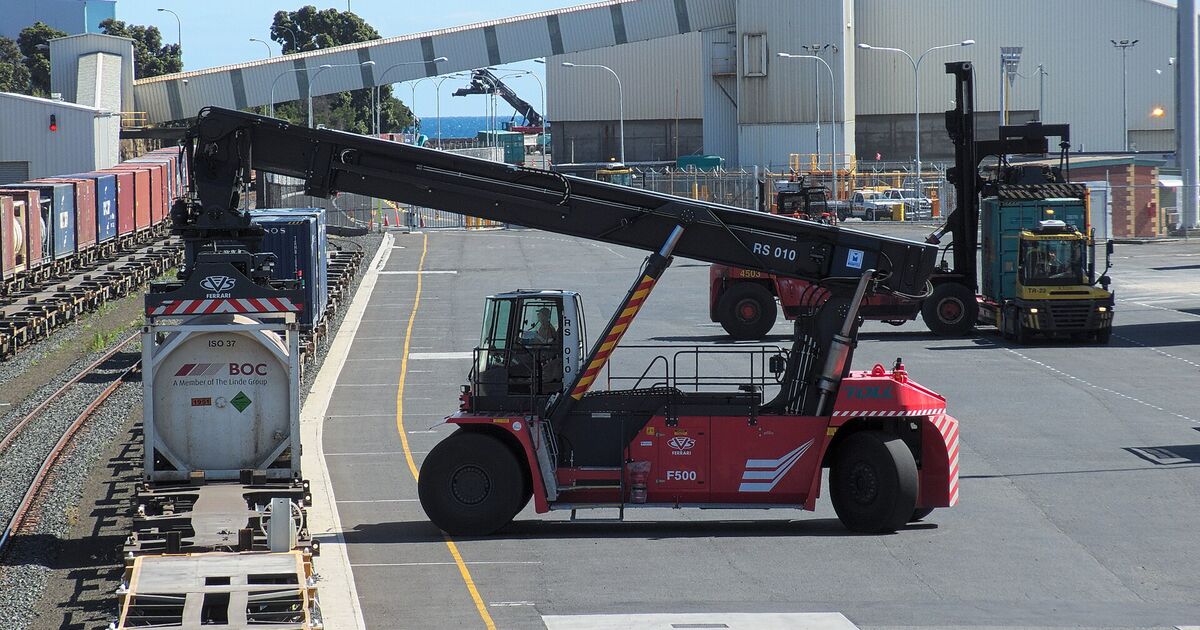
Gate-in, loaded, discharged, gate-out: the tracking events a container generates from origin to empty return, and what each one tells you to do next.
Live sailing schedules across every major carrier, container tracking, ocean rate benchmarks and emissions analytics — in one place.