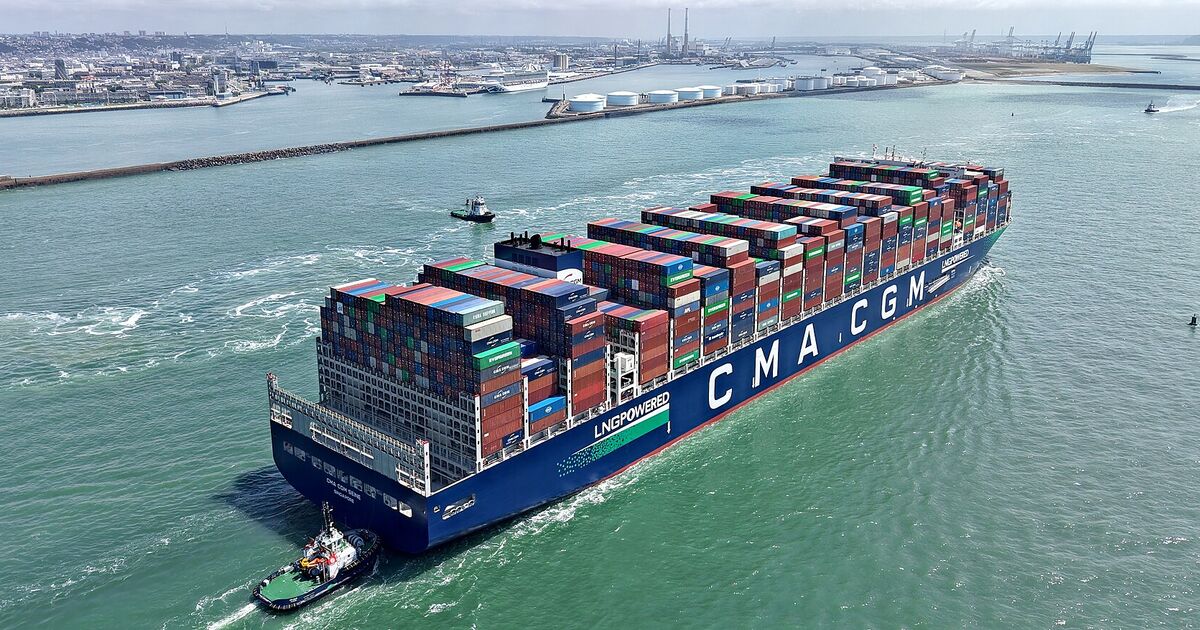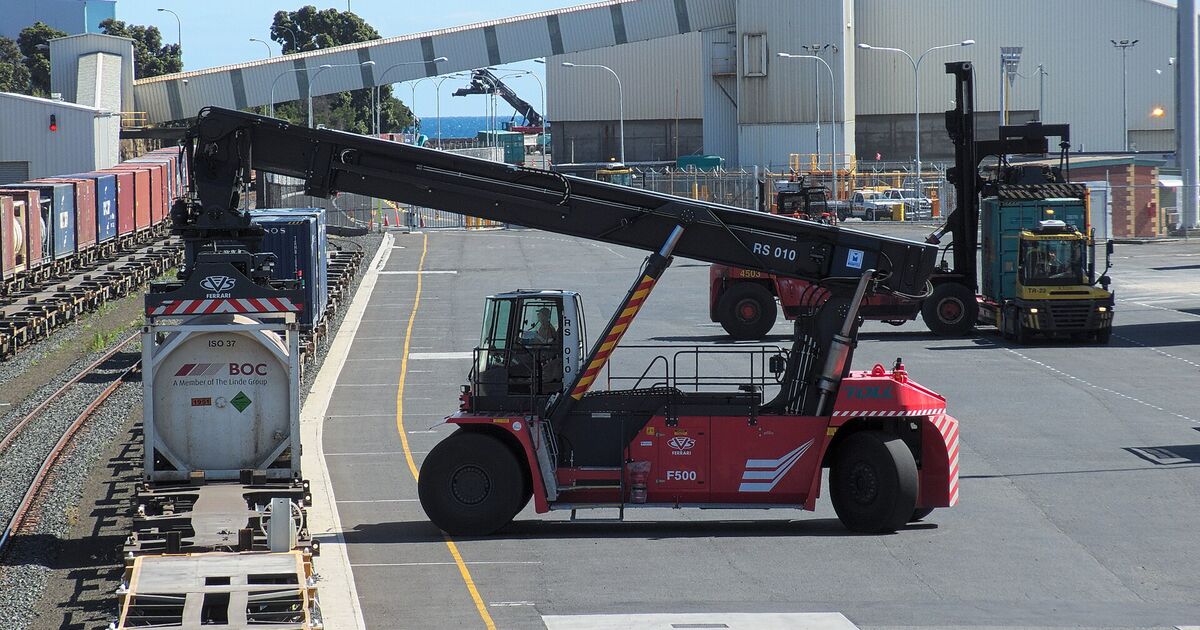
A container generates a record every time it changes hands: when it leaves a depot, enters a terminal, is lifted onto a ship, and comes off again. Strung together, those records are what a tracking page shows. Each line is a fact about where the box was and who had it, and the gaps between lines are where delays hide.
What you can track by
Three references identify a shipment:
- The container number — four letters, six digits and a check digit, painted on the container and printed on the bill of lading. It follows one box.
- The bill of lading number — covers every container on that bill.
- The booking number — issued at booking, useful before the bill of lading exists.
The first four letters of the container number identify the owner, which is how a tracking system knows which carrier to ask. If the box is leased, or if the shipment moved under a forwarder's house bill, the carrier of record may not be the name on the container, and the bill of lading or booking number is the more reliable key.
The milestones in order
1. Empty gate-out. An empty container is released from the depot to the shipper's haulier. The booking is live and equipment has been found.
2. Gate-in (full). The loaded container arrives at the origin terminal. It has to be in before the terminal cut-off for the intended vessel; a late gate-in is the first way to miss a sailing.
3. Loaded on vessel. The container has been lifted aboard. Until this event appears, the box is booked on the vessel but not confirmed on it. A container that was gated in on time and never shows as loaded has been rolled to a later sailing.
4. Vessel departure. The ship has sailed from the port of loading. This is the on-board date used on the bill of lading.
5. Transshipment discharge and reload. On a routing through a hub, the container is discharged, waits, and is loaded onto a connecting vessel, which then departs. The interval between discharge and reload is the dwell at the hub.
6. Vessel arrival. The ship has arrived at the destination port. This is not the same as the cargo being available — the vessel may wait at anchorage for a berth, and the container may be among the last off.
7. Discharged. The container is off the vessel and in the terminal stack. For imports this is the event that matters most commercially: free time normally starts here, so it sets the last free day before demurrage begins.
8. Released / available. Customs has cleared the cargo, the carrier has released it against the bill of lading and payment of charges, and the terminal has no hold on it. Several separate releases can be involved, and the box cannot leave until all of them are in place.
9. Gate-out (full). The haulier has collected the container. Demurrage stops; detention on the equipment starts counting.
10. Empty return. The empty is back at the depot the line nominated. The shipment is closed for equipment purposes and detention stops.
Estimated and actual
Every future event on a tracking page is an estimate, and it is worth knowing whose. The ETD and ETA are the estimated departure and arrival; ATD and ATA are the actual ones, recorded after the fact. An ETA is the carrier's current forecast for the vessel's arrival at the port. It changes as the voyage progresses, and it says nothing about how long discharge or customs will take.
A tracking page that also shows the vessel's position from AIS — the automatic identification system ships broadcast — gives an independent check on a carrier ETA that has not moved while the vessel plainly has not either.
Why events are sometimes late, missing or out of order
Tracking data is assembled from carriers, terminals and other parties, each recording events in their own systems. In practice:
- an event can be posted hours or days after it happened;
- a terminal event may never be passed on to the carrier's public tracking;
- corrections can make events appear out of sequence;
- during an ocean leg, there is simply nothing to report between port calls.
The industry has been working to make this consistent. The Digital Container Shipping Association publishes a track-and-trace standard that defines a common set of event types — for the shipment, the transport and the equipment — so that the same milestone means the same thing whichever carrier reports it.
Reading the gaps
The value of milestones is in what is missing:
- Gate-in but no "loaded" after the vessel sailed — the container was rolled. Ask for the new vessel and revise the ETA.
- Discharged at a hub but not reloaded — the connection is at risk or has been missed.
- Vessel arrived, no discharge — the ship is waiting for a berth or working slowly. Free time has not started yet, but haulage plans need to move.
- Discharged, not released — a customs, documentation or payment hold. Find out which, because the free-time clock is running.
- Gate-out, no empty return — detention is accruing.
Each of those calls for a specific action, and the earlier it is spotted the cheaper it is to fix. Container tracking by container, bill of lading or booking number puts the events in one timeline; the discipline is to check for the event that should have happened by now, not only the latest one that did.