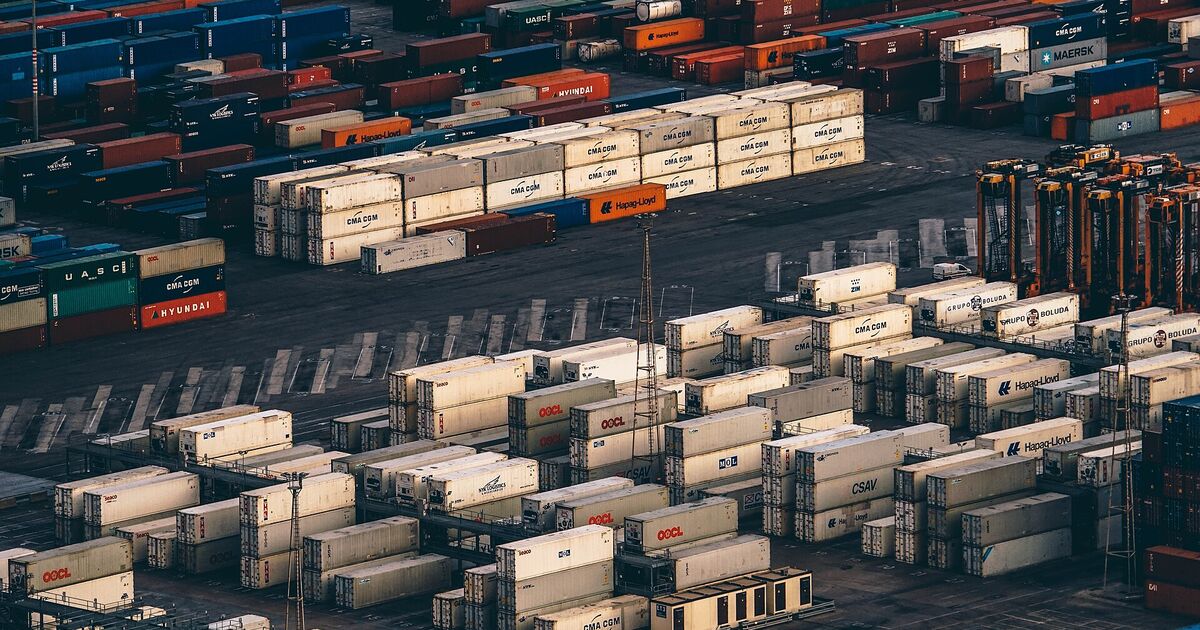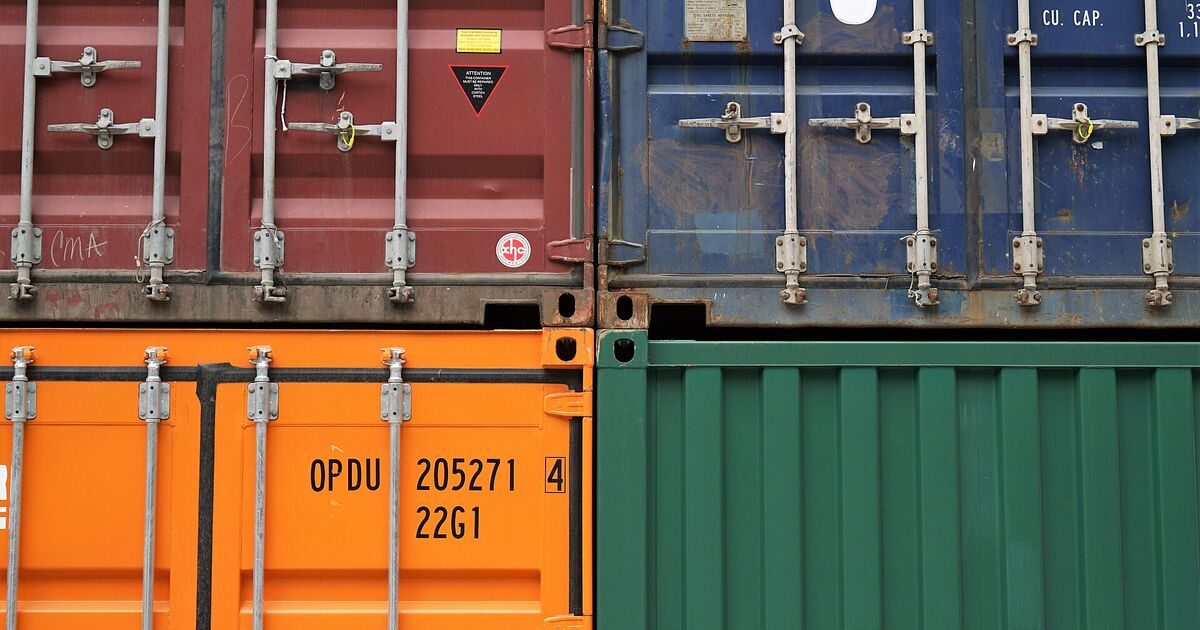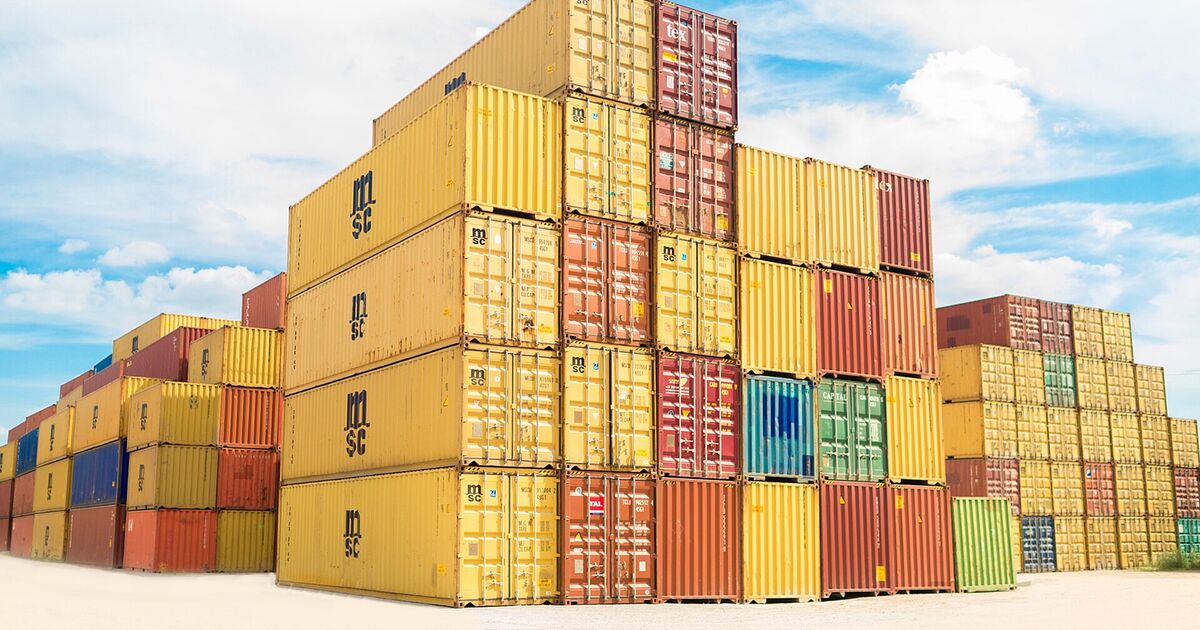
Every ocean shipment starts with the same question: does this cargo need its own container? FCL — full container load — means one shipper has the exclusive use of a container. LCL — less than container load — means the cargo shares a container with other shippers' goods, consolidated by a forwarder or co-loader. The choice sets the price, the transit time and the amount of handling the goods will see.
How each one is priced
An FCL rate is a flat price per container. A 20-foot box costs the same whether it is full or half empty, so the cost per cubic metre falls as the container fills.
LCL is priced per revenue tonne, written W/M for "weight or measure". The forwarder compares the cargo's volume in cubic metres with its weight in tonnes and charges on whichever is greater, treating one cubic metre as one tonne. Most general cargo is lighter than a tonne per cubic metre, so it is charged on volume. Dense goods — tiles, metal parts, liquids — are charged on weight.
LCL also carries charges FCL does not: container freight station (CFS) handling at both ends, and usually a minimum charge of one revenue tonne. Those fixed costs are why very small shipments can look expensive per cubic metre.
Where the lines cross
Because FCL is flat and LCL rises with volume, there is always a volume above which the full container is cheaper. For a 20-foot container, that break-even commonly sits somewhere in the low-to-mid teens of cubic metres — well short of the roughly 33 cubic metres the container holds. The exact point moves with the lane and the market, which is why the only reliable method is to ask for both quotes and compare them door to door, with every local charge included.
Two things are easy to miss in that comparison. Destination charges on LCL are often higher than the ocean freight itself, so an origin-only quote is misleading. And FCL brings its own costs — haulage of a whole container, and demurrage and detention exposure if it is not turned round within the free time.
What changes besides the price
| FCL | LCL | |
|---|---|---|
| Pricing | Flat rate per container | Per revenue tonne (W/M) |
| Handling | Sealed at origin, opened at destination | Handled at CFS at both ends |
| Transit time | Port to port plus haulage | Adds consolidation and deconsolidation days |
| Delay risk | Your cargo only | One shipper's customs hold can delay the box |
| Best for | Larger volumes, fragile or high-value goods | Small, regular shipments |
Handling. An FCL container is loaded and sealed at the shipper's premises and not opened until it reaches the consignee, barring a customs inspection. LCL cargo is unloaded from a truck at a CFS, stacked into a shared container, and unloaded again at destination. More touches mean more opportunity for damage, so LCL cargo needs export-grade packing and clear marks on every piece.
Time. LCL cargo must reach the CFS before the consolidation cut-off, which falls several days ahead of the vessel's own cut-off. At destination, the container has to be moved to a CFS and unpacked before any consignee can collect. Allow extra days at each end compared with the same sailing booked FCL.
Dependency. In a consolidated container, every shipment is tied to the others. If one consignee's goods are held by customs, the whole box can wait.
When LCL is the right call
LCL earns its place when volumes are small and regular. It lets an importer ship weekly instead of waiting to fill a container, which lowers inventory and smooths cash flow. It suits samples, spare parts, e-commerce replenishment and new product lines where demand is still unproven.
When to book the container anyway
There are good reasons to book FCL below the break-even volume:
- the goods are fragile, high-value or easily contaminated;
- the delivery date is tight and the extra CFS days are not available;
- the cargo is an awkward shape that stacks badly with other freight;
- the consignee wants a sealed container for security or compliance reasons.
It is also worth checking whether several LCL shipments from nearby suppliers could be combined. Buyer's consolidation — collecting orders from several factories into one FCL container at origin — often gives FCL economics and handling to cargo that would otherwise move as separate LCL lots.
A practical way to decide
Work out the volume and weight first; the load calculator shows how the cargo fills a 20-foot or 40-foot container and what utilisation that gives. Then request both quotes on the same terms, add the local charges at each end, and weigh the difference against the extra transit days and handling. Near the break-even, the full container usually wins on everything except the invoice — and often on that too.