The Incoterms rules are published by the International Chamber of Commerce and written into sales contracts worldwide. Each is a three-letter term that settles three things between seller and buyer: who arranges and pays for carriage, who handles export and import formalities, and the point at which risk of loss or damage passes. The current edition, Incoterms 2020, has been in use since 1 January 2020.
What the rules do not do matters just as much. They do not transfer ownership, set the price, or say how and when the buyer pays. Those belong in the sales contract.
Two groups of rules
There are eleven rules, split by the mode of transport they suit.
Any mode of transport, including container shipping and air freight:
- EXW (Ex Works) — the seller makes the goods available at its premises. The buyer does everything else, including loading and export clearance.
- FCA (Free Carrier) — the seller delivers the goods, cleared for export, to the carrier the buyer has nominated, at a named place.
- CPT (Carriage Paid To) — the seller pays carriage to the named destination; risk passes when the goods are handed to the first carrier.
- CIP (Carriage and Insurance Paid To) — as CPT, and the seller also insures the goods.
- DAP (Delivered at Place) — the seller delivers to the named place, ready for unloading. The buyer clears import.
- DPU (Delivered at Place Unloaded) — as DAP, but the seller also unloads.
- DDP (Delivered Duty Paid) — the seller delivers cleared for import, duties paid.
Sea and inland waterway only:
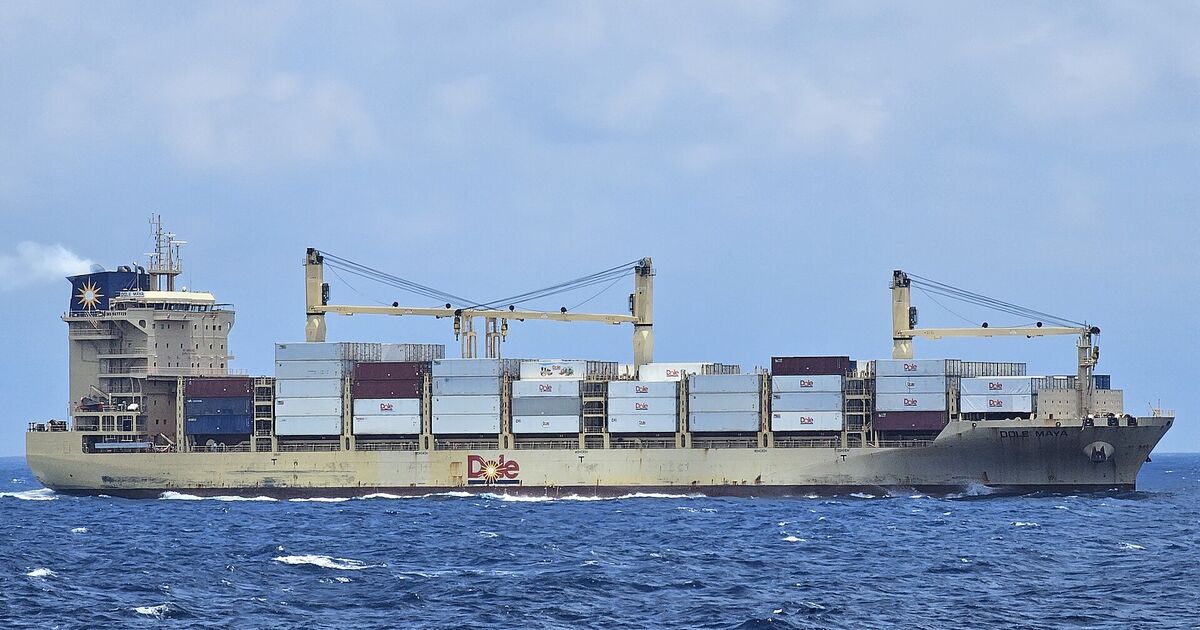
Under FAS (Free Alongside Ship) the seller delivers alongside the vessel at the port of shipment, and under FOB (Free On Board) on board it. Under CFR (Cost and Freight) the seller also pays the freight to the destination port, although risk still passes on board at origin. CIF (Cost, Insurance and Freight) is CFR with insurance bought by the seller.
Cost and risk do not always move together
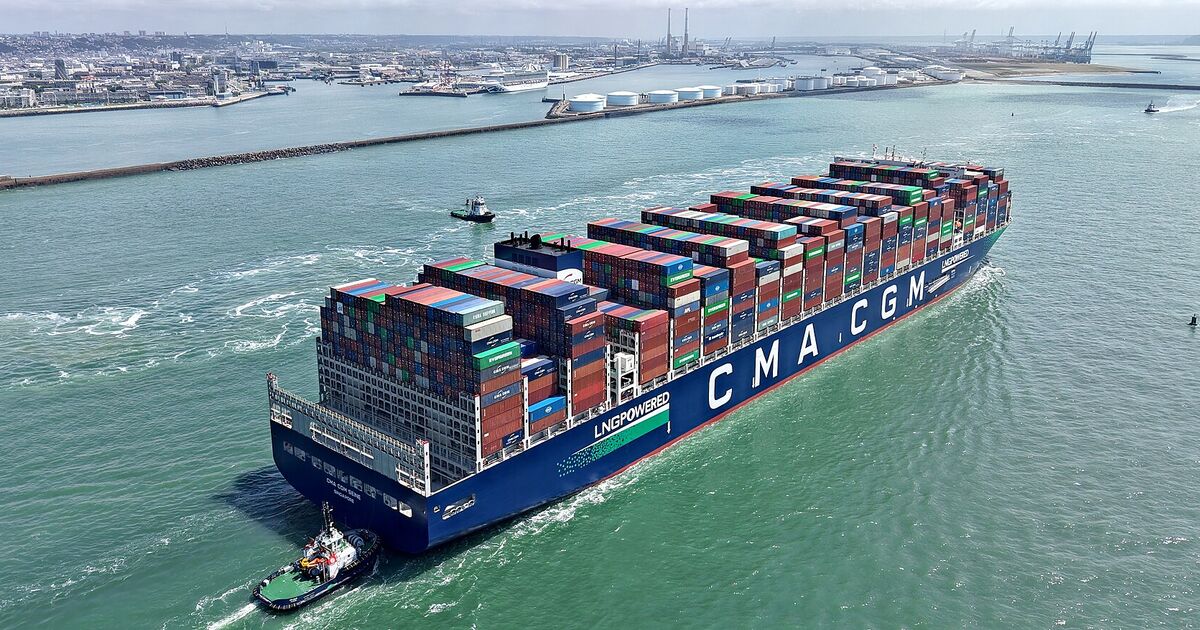
The trap in the "C" terms is that the seller pays the freight but does not carry the risk during the voyage. Under CFR, CIF, CPT and CIP, risk passes to the buyer at origin — on board the vessel, or on handover to the first carrier — even though the seller's invoice covers carriage to destination. A buyer who assumes that "the seller pays freight" means "the seller is responsible until arrival" is uninsured for the main leg unless the term is CIF or CIP.
| Term | Seller pays main carriage | Risk passes |
|---|---|---|
| EXW | No | At seller's premises |
| FCA | No | On handover to buyer's carrier |
| FOB | No | On board at port of shipment |
| CFR / CIF | Yes | On board at port of shipment |
| CPT / CIP | Yes | On handover to first carrier |
| DAP / DPU / DDP | Yes | At named place of destination |
Why FOB is the wrong term for containers
FOB is the most used term in container trade and, by the ICC's own guidance, usually the wrong one. Under FOB the seller bears the risk until the goods are on board the ship. A container, though, leaves the seller's hands when it is delivered to the terminal, and may sit in the stack for days before loading. If it is damaged there, the seller is still on risk for goods it no longer controls.
FCA fits the reality: delivery happens when the container is handed to the carrier. Incoterms 2020 removed the main objection to using it. Sellers paid under a letter of credit often need a bill of lading with an on-board notation, so FCA now lets the parties agree that the buyer will instruct its carrier to issue one to the seller after loading.
What changed in the 2020 edition
- DAT became DPU. Delivered at Terminal was renamed Delivered at Place Unloaded, making clear that the delivery point need not be a terminal.
- Insurance cover diverged. CIP now requires the seller to buy cover to Institute Cargo Clauses (A), the widest level. CIF stays at Clauses (C), the minimum, unless the parties agree more.
- FCA and the on-board bill of lading, described above.
- Own transport is recognised. FCA and the "D" terms allow for the seller or buyer using its own vehicles rather than a third-party carrier.
- Security obligations are spelled out in each rule's carriage and cost articles.
Choosing a term
Start from who is better placed to buy the freight. A buyer with volume and contracted rates usually does better on FCA, controlling the carrier and seeing the true freight cost. A seller with strong rates on its export lanes can offer CPT, CIP or a "D" term as a service.
Be wary of the two extremes. EXW leaves the buyer responsible for export clearance in a country where it may have no standing to file it. DDP makes the seller the importer in the buyer's country, with the tax registration and liability that implies.
Finally, write the term properly: the rule, the named place as precisely as possible, and the edition — for example, FCA Shanghai Yangshan Terminal, Incoterms 2020. A term without a precise place leaves the delivery point, and therefore the risk, open to argument.