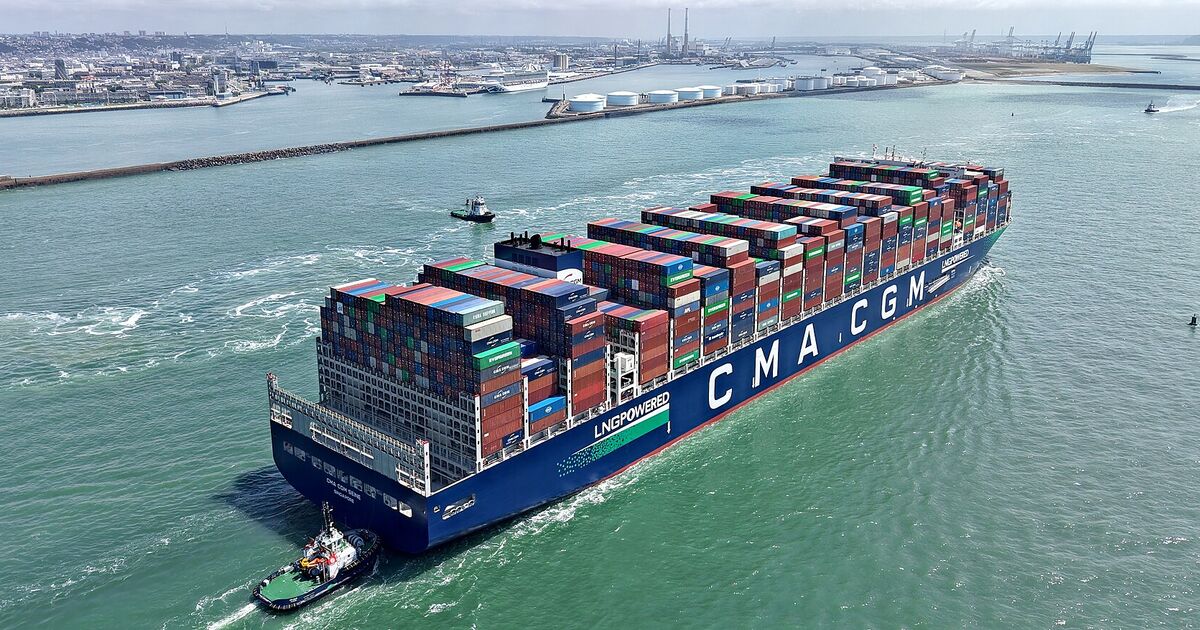
Ask two forwarders for a rate on the same lane and the two numbers can differ by hundreds of dollars before either has offered a different price. One has quoted the ocean freight alone; the other has included the charges at each end. Comparing ocean freight quotes is mostly a matter of knowing what the lines are and making sure both quotes contain the same ones.
The base rate
The base ocean freight — sometimes called basic ocean freight, or BOF — is the price for carrying the container from the port of loading to the port of discharge. It is quoted per container, by size and type, and it is the part that moves most with the market.
Rates today are generally FAK, "freight all kinds": one rate per container whatever the commodity, with exceptions for cargo that needs special handling, such as dangerous goods, reefer cargo and out-of-gauge pieces.
Ocean surcharges
On top of the base rate come surcharges that carriers adjust separately. The names and abbreviations differ from line to line, but the families are consistent.
- Bunker surcharges. A bunker adjustment factor (BAF), or a similarly named fuel surcharge, passes changes in fuel cost to the shipper. Related charges cover the cost of compliant fuel: the global sulphur limit for marine fuel was cut to 0.50 per cent in January 2020, and lower limits apply in emission control areas.
- Emissions surcharges. Shipping was brought into the EU Emissions Trading System from January 2024, and carriers pass that cost on for voyages calling at ports in the European Economic Area.
- Peak season surcharge (PSS). Applied when demand outruns capacity, typically ahead of major retail seasons and holidays.
- Currency adjustment factor (CAF). Compensates for exchange-rate movement between the currency of the freight and the carrier's costs.
- Congestion and port surcharges. Applied when delays at a port raise the carrier's cost of calling there.
- Risk and routing surcharges. Applied when a route becomes more expensive or more dangerous — for example, when vessels are diverted onto a longer passage.
- Equipment surcharges. For repositioning empty containers on imbalanced trades, or for special equipment.
General rate increases
A GRI is an announced increase in the base rate on a trade from a stated date. It is an intention rather than a guarantee: when vessels are full it tends to hold, and when they are not it is often reduced or postponed. In the United States, carriers must publish a tariff rate increase thirty days before it takes effect, which is why GRIs on US trades are announced on a regular cycle.
Local charges
These are billed at origin and destination, usually in local currency, and are easy to leave out of a comparison:
- Terminal handling charge (THC) — the terminal's cost of moving the container between the stack and the vessel, charged at both ends.
- Documentation fee — for issuing the bill of lading; the form chosen affects the cost.
- Security charge — related to the International Ship and Port Facility Security (ISPS) code.
- Seal fee, VGM fee, customs filing fees and similar small items.
- Delivery order or release fee at destination.
After those come the charges that depend on what happens to the box: haulage, customs clearance, and demurrage and detention if it overstays its free time.
What "all-in" really means
"All-in" has no fixed definition. It most often means the base rate with the ocean surcharges folded in, leaving local charges on top. Some quotes include origin charges and exclude destination ones. Which side pays which charge also depends on the Incoterms rule in the sales contract, so a seller and a buyer can each receive a correct quote that looks nothing like the other's.
The useful question is not "is this all-in?" but "which charges are excluded?".
Spot, contract and validity
A spot rate is quoted for a particular shipment and holds for a short validity period, often two weeks or a calendar month. A contract rate is agreed for a term — commonly a year, sometimes a quarter — against a volume commitment, and may be fixed or linked to an index.
Two details decide whether a quote is worth what it says. The first is the validity date, and whether it is measured against the booking date, the cargo-received date or the sailing date. The second is whether surcharges are fixed for the validity or "subject to" change, which carriers abbreviate as VATOS — valid at time of shipment.
Comparing two quotes
Put them on the same footing before looking at the total:
- Same ports, same container size and type, same cargo-ready date.
- Same scope — port to port, or door to door.
- Every surcharge listed, with any "subject to" items identified.
- Local charges at both ends included, in a stated currency.
- The same free time at destination.
- The transit time and routing — direct or via a transshipment port.
Only then is the cheaper number actually cheaper. Live rate comparison across carriers shortens the first step; the freight index shows whether the level you are being quoted is in line with where the lane has been trading.